Buy softwarenews.net ?
We are moving the project
softwarenews.net .
Are you interested in purchasing the domain
softwarenews.net ?
domain@kv-gmbh.de · 0541-91531010
Buy softwarenews.net ?
How does a hypervisor work?
A hypervisor works by creating and managing virtual machines on a physical server. It sits between the hardware and the operating systems of the virtual machines, allowing multiple operating systems to run on the same physical hardware simultaneously. The hypervisor allocates resources such as CPU, memory, and storage to each virtual machine, ensuring that they operate independently and securely. It also provides features such as virtual networking and storage to enable communication between virtual machines and the physical hardware. **
How many physical CPUs are supported on a free VMware Hypervisor?
The free VMware Hypervisor, also known as VMware vSphere Hypervisor, supports up to two physical CPUs per host. This means that you can have a maximum of two physical CPUs in a server running the free VMware Hypervisor. If you need to support more physical CPUs, you would need to upgrade to a paid version of VMware vSphere. **

Similar search terms for Hypervisor
Top-Angebote
Products related to Hypervisor:
-
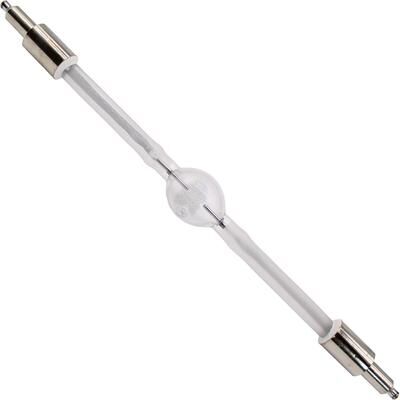
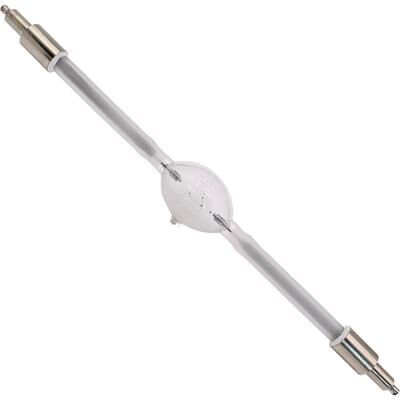
Jaspertronics™ High-Performance HMI 4000W Lamp - 7000K Daylight, CRI >90, 395,000 Lumens, Hot Restrike, DXS Technology for Studio, TV, Film & Solar Simulation ApplicationsThe High-Performance HMI 4000W Lamp is a cutting-edge lighting solution designed for studio, TV, film, professional photography, and solar simulation applications. With a 7000K daylight color temperature and CRI >90, this lamp ensures exceptional...228,99 $*Shipping: 0,00 $Secure redirect to the provider
-
What are the advantages and disadvantages of the Type-1-2 hypervisor?
The Type-1-2 hypervisor, also known as a bare-metal hypervisor, has several advantages. It provides better performance and efficiency compared to Type-2 hypervisors because it runs directly on the physical hardware. It also offers greater security and isolation since it has direct access to the hardware and does not rely on the host operating system. However, a disadvantage of the Type-1-2 hypervisor is that it may be more complex to set up and manage compared to Type-2 hypervisors, as it requires more technical expertise. Additionally, it may have limited support for certain hardware and devices compared to Type-2 hypervisors. **
-
How can the hypervisor of Windows 10 be disabled if it is not working?
If the hypervisor of Windows 10 is not working, it can be disabled by accessing the system's BIOS or UEFI settings. To do this, restart the computer and enter the BIOS or UEFI settings by pressing the designated key (often F2, F10, or Del) during the boot process. Once in the settings, navigate to the virtualization or hypervisor section and disable it. Save the changes and exit the settings, and the hypervisor should be disabled. Keep in mind that accessing and modifying the BIOS or UEFI settings should be done with caution, as it can affect the overall functionality of the system. **
-
What is the difference between a host VM and a guest VM in terms of the hypervisor and virtualization?
A host VM, also known as the host operating system, is the primary operating system installed directly on the physical hardware of the server. It is responsible for managing the physical resources of the server and running the hypervisor software. The hypervisor, also known as the virtual machine monitor, is a software layer that allows multiple guest VMs to run on the same physical server. On the other hand, a guest VM is a virtual machine that runs on top of the hypervisor. It is a separate, isolated instance of an operating system and applications that share the physical resources of the server with other guest VMs. The hypervisor manages the allocation of resources and provides a layer of abstraction between the guest VMs and the physical hardware, allowing them to run independently of each other. **
-
In which programming language are Windows applications developed?
Windows applications are primarily developed using the programming languages C# and Visual Basic. These languages are supported by Microsoft's development platform, .NET Framework, which provides a wide range of tools and libraries for creating Windows applications. Additionally, developers can also use languages like C++ and JavaScript to develop Windows applications, depending on their specific requirements and preferences. **
Which programming language is suitable for desktop applications?
One programming language that is suitable for desktop applications is Java. Java is a versatile language that can be used to develop cross-platform desktop applications that can run on different operating systems. Another suitable language is C#. C# is commonly used with the .NET framework to create Windows desktop applications. Both Java and C# have robust libraries and frameworks that make it easier to develop desktop applications with user-friendly interfaces. **
Which programming language is used for desktop applications?
One of the most commonly used programming languages for desktop applications is Java. It is a versatile language that can be used to develop applications for various platforms, including Windows, Mac, and Linux. Another popular language for desktop applications is C#, which is commonly used with the .NET framework for Windows-based applications. Additionally, languages like C++ and Python are also used for developing desktop applications, depending on the specific requirements of the project. **
Top-Angebote
Products related to Hypervisor:
-
VMware Vsphere Hypervisor 7 - Lifetime licenceProduct DetailsATTENTION: This version does NOT include VCenter and does not require VCenter to manage licences.This is a genuine licence key for VMware vSphere 7 Essentials Plus Kit, a complete solution for small businesses to virtualise physical servers and reduce hardware costs, while ensuring high application availability and superior data protection.Licence features: 1 user, 1 device Lifetime licence Multilingual Compatible with Windows 32 and 64 bit Buy VMware vSphere 7 Hypervisor at the best price on the marketPrimeLicense offers unbeatable prices on VMware vSphere, giving professionals and businesses exceptional value. Get 60% off this top virtualisation and cloud solution that enables you to optimise IT resources, simplify operations and improve virtual performance. Plus, get free technical support for hassle-free configuration and ongoing support.What is VMware vSphere HypervisorVMware vSphere Hypervisor 7, also known as ESXi 7, is a free bare-metal type 1 hypervisor that installs directly on server hardware to virtualise workloads without an underlying host operating system. Key featuresSupports up to 1024 VMs per host, with free limits of 8 vCPUs per VM and management via Web Host Client or CLI (without vCenter). Offers advanced memory with Transparent Page Sharing, scalability up to 24 TB RAM per host and VM hardware version 17 with Precision Time Protocol (PTP). Advanced FeaturesIncludes enhanced vMotion (times reduced to milliseconds), support for hardware accelerators such as GPU via Assignable Hardware and Dynamic DirectPath I/O, plus enhanced security with VM encryption and secure boot. Ideal for lab, home use or small environments, but requires paid licences for HA, DRS or clusters.Why choose PrimeLicense for software licensing?PrimeLicense is your trusted reseller of original software licences at the best price. We offer: Only authentic software: The software is always downloaded from the official website of the software vendor, which guarantees the authenticity of the products. Unbeatable prices: Our competitive prices are made possible by the resale of 'pre-owned' licences, a practice legally permitted by the CJEU ruling of 3 July 2012. Exceptional customer service: Our multilingual support team is available 7 days a week and has an average rating of 4.9/5 on platforms such as Trustpilot, Trusted Shops and Google Reviews. Secure payment options: A wide range of secure payment methods are available to our customers, including Apple Pay, Google Pay and credit cards. VMware vSphere 7 Hypervisor - Download and Installation GuideWe are committed to providing only official downloads of purchased products!After purchase, you will receive an email with the license key for vSphere 7 Hypervisor, along with clear instructions on how to download it from VMware's official website and activate it with your purchased license key.Frequently Asked QuestionsAre there newer versions of vSphere?Yes, there is a version VMware Vsphere 8...42,90 £*Shipping: 0,00 £Secure redirect to the provider
-
Jaspertronics™ High-Performance HMI 2500W Lamp - 6000K Daylight, CRI >90, Hot Restrike, 240,000 Lumens, DXS Technology for Studio, TV, Film & Solar Simulation ApplicationsThe High-Performance HMI 2500W Lamp is engineered for professionals in the studio, TV, film, photography, and solar simulation industries. With a 6000K color temperature and CRI >90, this lamp ensures true-to-life color accuracy and daylight-like...198,99 $*Shipping: 0,00 $Secure redirect to the provider
-
Jaspertronics™ High-Performance HMI 4000W Lamp - 7000K Daylight, CRI >90, 395,000 Lumens, Hot Restrike, DXS Technology for Studio, TV, Film & Solar Simulation ApplicationsThe High-Performance HMI 4000W Lamp is a cutting-edge lighting solution designed for studio, TV, film, professional photography, and solar simulation applications. With a 7000K daylight color temperature and CRI >90, this lamp ensures exceptional...228,99 $*Shipping: 0,00 $Secure redirect to the provider
-
How does a hypervisor work?
A hypervisor works by creating and managing virtual machines on a physical server. It sits between the hardware and the operating systems of the virtual machines, allowing multiple operating systems to run on the same physical hardware simultaneously. The hypervisor allocates resources such as CPU, memory, and storage to each virtual machine, ensuring that they operate independently and securely. It also provides features such as virtual networking and storage to enable communication between virtual machines and the physical hardware. **
-
How many physical CPUs are supported on a free VMware Hypervisor?
The free VMware Hypervisor, also known as VMware vSphere Hypervisor, supports up to two physical CPUs per host. This means that you can have a maximum of two physical CPUs in a server running the free VMware Hypervisor. If you need to support more physical CPUs, you would need to upgrade to a paid version of VMware vSphere. **
-
What are the advantages and disadvantages of the Type-1-2 hypervisor?
The Type-1-2 hypervisor, also known as a bare-metal hypervisor, has several advantages. It provides better performance and efficiency compared to Type-2 hypervisors because it runs directly on the physical hardware. It also offers greater security and isolation since it has direct access to the hardware and does not rely on the host operating system. However, a disadvantage of the Type-1-2 hypervisor is that it may be more complex to set up and manage compared to Type-2 hypervisors, as it requires more technical expertise. Additionally, it may have limited support for certain hardware and devices compared to Type-2 hypervisors. **
-
How can the hypervisor of Windows 10 be disabled if it is not working?
If the hypervisor of Windows 10 is not working, it can be disabled by accessing the system's BIOS or UEFI settings. To do this, restart the computer and enter the BIOS or UEFI settings by pressing the designated key (often F2, F10, or Del) during the boot process. Once in the settings, navigate to the virtualization or hypervisor section and disable it. Save the changes and exit the settings, and the hypervisor should be disabled. Keep in mind that accessing and modifying the BIOS or UEFI settings should be done with caution, as it can affect the overall functionality of the system. **
Similar search terms for Hypervisor
-
What is the difference between a host VM and a guest VM in terms of the hypervisor and virtualization?
A host VM, also known as the host operating system, is the primary operating system installed directly on the physical hardware of the server. It is responsible for managing the physical resources of the server and running the hypervisor software. The hypervisor, also known as the virtual machine monitor, is a software layer that allows multiple guest VMs to run on the same physical server. On the other hand, a guest VM is a virtual machine that runs on top of the hypervisor. It is a separate, isolated instance of an operating system and applications that share the physical resources of the server with other guest VMs. The hypervisor manages the allocation of resources and provides a layer of abstraction between the guest VMs and the physical hardware, allowing them to run independently of each other. **
-
In which programming language are Windows applications developed?
Windows applications are primarily developed using the programming languages C# and Visual Basic. These languages are supported by Microsoft's development platform, .NET Framework, which provides a wide range of tools and libraries for creating Windows applications. Additionally, developers can also use languages like C++ and JavaScript to develop Windows applications, depending on their specific requirements and preferences. **
-
Which programming language is suitable for desktop applications?
One programming language that is suitable for desktop applications is Java. Java is a versatile language that can be used to develop cross-platform desktop applications that can run on different operating systems. Another suitable language is C#. C# is commonly used with the .NET framework to create Windows desktop applications. Both Java and C# have robust libraries and frameworks that make it easier to develop desktop applications with user-friendly interfaces. **
-
Which programming language is used for desktop applications?
One of the most commonly used programming languages for desktop applications is Java. It is a versatile language that can be used to develop applications for various platforms, including Windows, Mac, and Linux. Another popular language for desktop applications is C#, which is commonly used with the .NET framework for Windows-based applications. Additionally, languages like C++ and Python are also used for developing desktop applications, depending on the specific requirements of the project. **
* All prices are inclusive of VAT and, if applicable, plus shipping costs. The offer information is based on the details provided by the respective shop and is updated through automated processes. Real-time updates do not occur, so deviations can occur in individual cases. ** Note: Parts of this content were created by AI.